NEED A SATURDAY APPOINTMENT?
We are Open on Saturdays. (Consultations & surgery offered)
Call us today to book your appointment!
We are Open on Saturdays. (Consultations & surgery offered)
Call us today to book your appointment!
 Mon - Fri: 8:00AM - 5:00PM
Hidden Signs That Most Doctors Miss
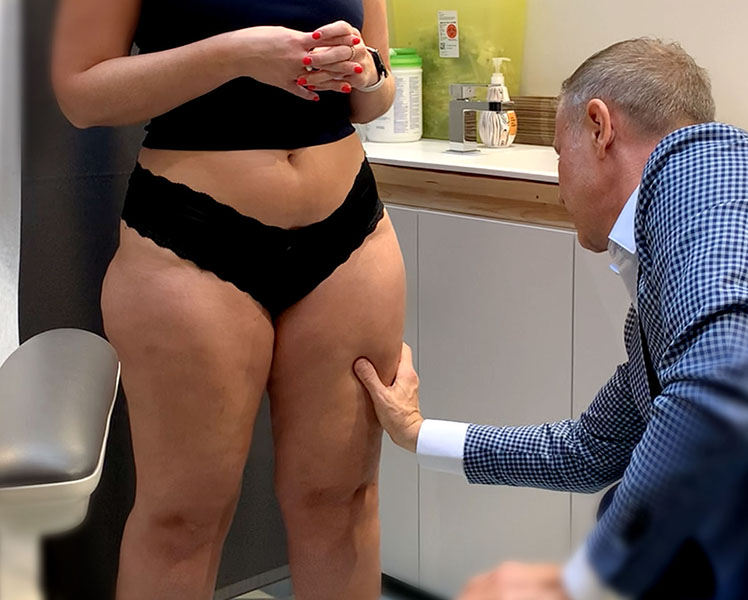
Lipedema is caused by fat cells and the surrounding connective tissue and disproportionately distributed in the lower body, and sometimes in the arms, and almost exclusively affects women. Fat is disproportionately increased in the hips and legs while remaining significantly lower in the abdomen—essentially the inverse of typical obesity patterns (a pattern quite different from standard obesity).
What many doctors overlook is that these symptoms could indicate lipedema, a chronic condition affecting an estimated 11% of women in Canada (approximately 1 in 9 women). Despite its prevalence, lipedema remains one of the most misunderstood and misdiagnosed in medicine. Many healthcare providers simply aren’t trained to recognize the subtle but telling signs that distinguish lipedema from regular weight gain or other conditions.
At Lipœdème Montréal, Dr. Edouard Coeugniet, MSc., a triple board-certified plastic surgeon, professor at Université de Montréal and Director of Quality and Performance for Plastic Surgery at CHUM (Centre hospitalier de l'Université de Montréal) hospital in Montreal, is dedicated to raising awareness about this condition and offering specialized Lipedema treatment in Montreal. This page provides an in-depth look at what Lipedema is, its causes, how it differs from other conditions, and why early diagnosis is critical for effective management.
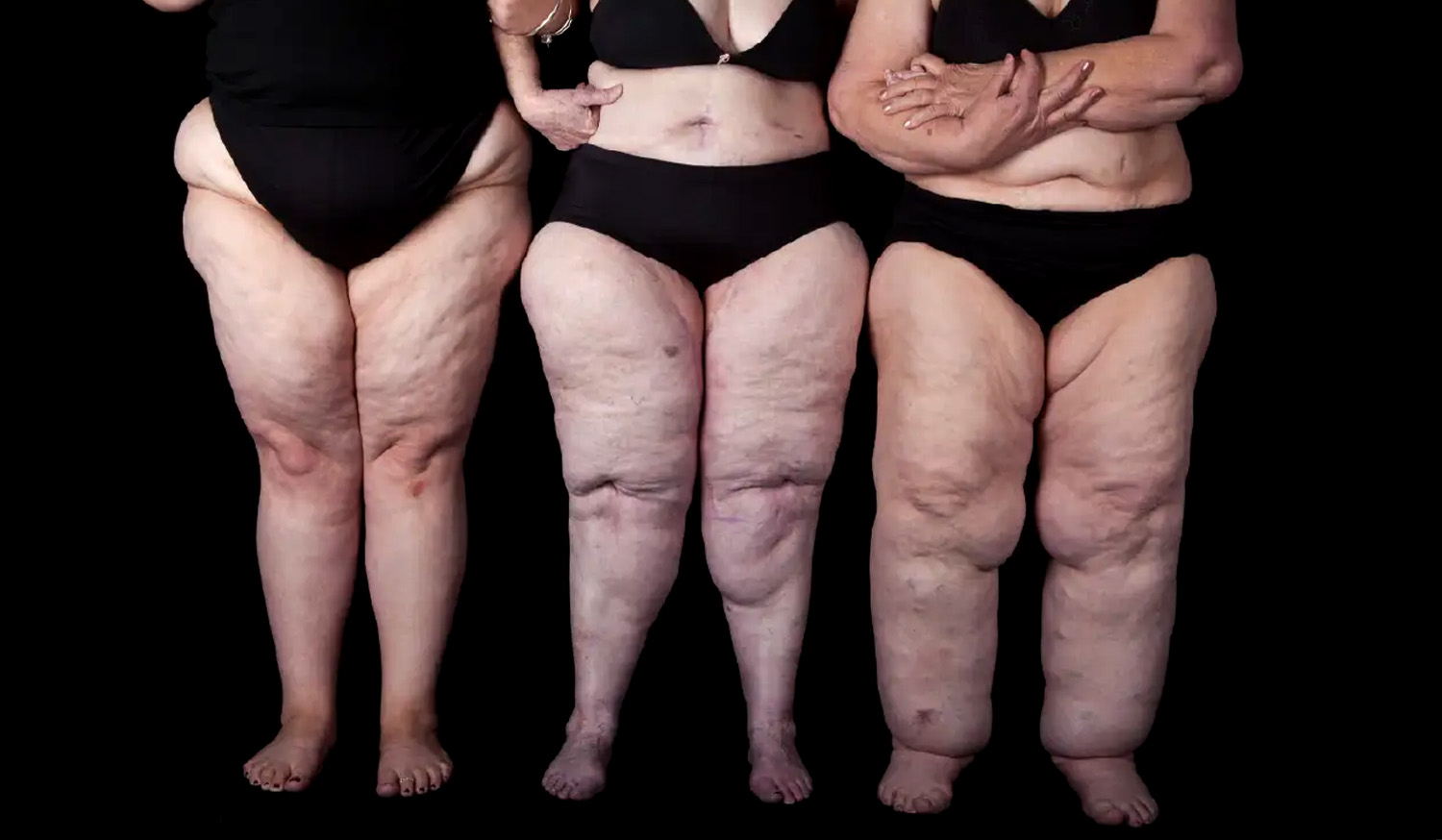 Photo credit: lipedema.org
Lipedema is characterized by irregular and disproportionate accumulation of fat tissue, primarily in the legs, hips, buttocks, and sometimes arms. Unlike typical body fat, Lipedema fat is resistant to diet and exercise, making it a frustrating and often distressing condition for those affected. This fat is typically fibrous, nodular, and leading to physical discomfort and emotional challenges.
Lipedema is distinct from obesity and lymphedema, though it is frequently misdiagnosed as one of these conditions. While obesity involves generalized fat accumulation responsive to lifestyle changes, Lipedema fat is localized and resistant to such interventions. Similarly, lymphedema involves fluid-based swelling, often asymmetrical and affecting hands or feet, whereas Lipedema primarily involves fatty tissue and is symmetrical. Understanding these differences is crucial for proper diagnosis and treatment.
The exact cause of Lipedema remains under investigation, but research points to a combination of genetic, hormonal, and physiological factors:
Lipedema develops when irregular fat cells accumulate in specific areas, often forming a symmetrical pattern. These fat cells are fibrotic, meaning they are surrounded by connective tissue. Over time, especially in cases of significant obesity, this accumulation can impair lymphatic function, leading to swelling in advanced stages (lipo-lymphedema). The condition progresses through stages, each with increasing severity, making early intervention vital.
Lipedema is more than a cosmetic concern; it significantly impacts physical and emotional well-being:
At Lipœdème Montréal, Dr. Coeugniet emphasizes the importance of early diagnosis to prevent these outcomes and offers surgical solutions for Lipedema, such as liposuction specifically designed for lipedema fat, to address both symptoms and progression.
Diagnosing Lipedema requires a specialized approach, as its symptoms overlap with other conditions. Dr. Coeugniet uses a comprehensive evaluation, including:
Because lipedema can present differently in each patient, a thorough and individualized approach is necessary. This comprehensive evaluation ensures that lipedema patients receive an accurate diagnosis and a personalized, effective treatment plan designed to address their specific physical symptoms and improve their quality of life.
Early and accurate diagnosis is the foundation of effective Lipedema treatment in Montreal, enabling patients to explore options like Lipedema treatment with liposuction to alleviate symptoms and improve their lives.
Lipedema is generally categorized into three or four stages based on the texture of the skin and the volume of the tissue.

Skin looks normal but feels lumpy, like small pebbles or foam beads are under the skin; easy bruising and Sensitivity can occur.
Skin surface becomes uneven, bumpy, or dimpled (like a mattress or cottage cheese), with larger fat nodules forming.
Large folds of skin and fat develop, creating a disfigured appearance (e.g., "inflated balloons"), with significant mobility issues.
The condition affects the arms as well, and the lymphatic system becomes compromised, leading to fluid buildup (lymphedema) alongside the lipedema fat.
Understanding the stages of lipedema is crucial because it worsens over time without treatment. Early detection and treatment can prevent more serious symptoms, such as halting disease progression, decreased mobility, debilitating Sensitivity. and improving overall quality of life. Women should be especially aware of unexpected weight gain in their legs and unusual sensitivity, as these can be early signs of lipedema.
Living with Lipedema can be challenging, but understanding the condition empowers patients to seek appropriate care. Common experiences include:
Dr. Coeugniet and the Lipœdème Montréal team are committed to supporting patients through every step, offering education, diagnosis, and personalized treatment plans to address both the physical and emotional aspects of Lipedema.
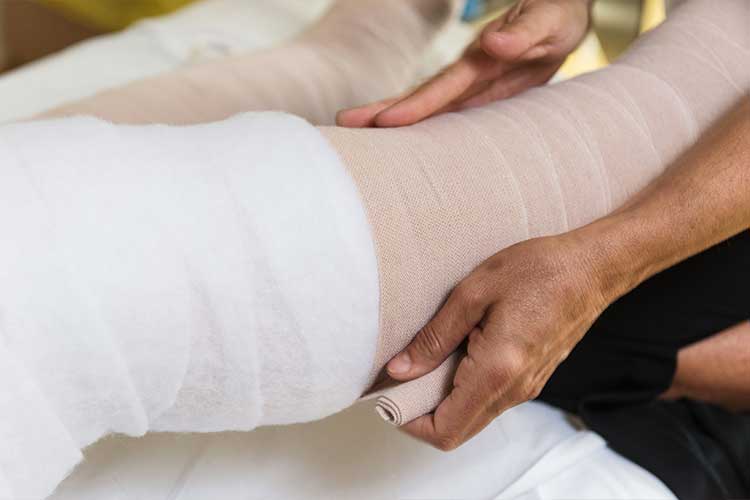
There are several strategies, both Conservative (Non-Surgical) and Surgical Treatments, to treat and manage lipedema.
At Lipœdème Montréal, Lipedema treatment with liposuction is a specialized surgical approach led by Dr. Edouard Coeugniet, MSc., to address the unique challenges of Lipedema, a chronic condition causing sensitivity, disproportionate fat accumulation.
Employing a highly specialized and patient-tailored method of body contouring through Water-Jet Assisted Liposuction (WAL), Dr. Edouard Coeugniet, MSc., —a triple board-certified plastic surgeon and Canada's foremost lipedema specialist—has pioneered the most effective treatment protocols available today. As the only dedicated lipedema expert in Quebec and nationwide, with collaborations alongside renowned European leaders such as Prof. Dr. Tobias Hirsch and Dr. Danckwardt in Germany, and Dr. Stéphan Houyoux in Switzerland.
Dr. Coeugniet delivers lymphatic-sparing interventions that transform patient outcomes.
Primarily using WAL (Water-Jet Assisted Liposuction) —considered a "Gold Standard" for removing fat while minimizing
damage to surrounding tissues.
Surgical liposuction to excise disproportionate fat deposits remains the sole evidence-based therapy capable of fundamentally altering the progression of lipedema.
Water-jet assisted liposuction (WAL) is widely recognized as a gold-standard intervention for managing this progressive adipose disorder due to its gentle, high-precision approach. Unlike traditional methods, WAL utilizes a specialized, fan-shaped spray of saline solution to delicately dislodge and remove disproportionate fat deposits while keeping the surrounding blood vessels and delicate lymphatic structures intact.
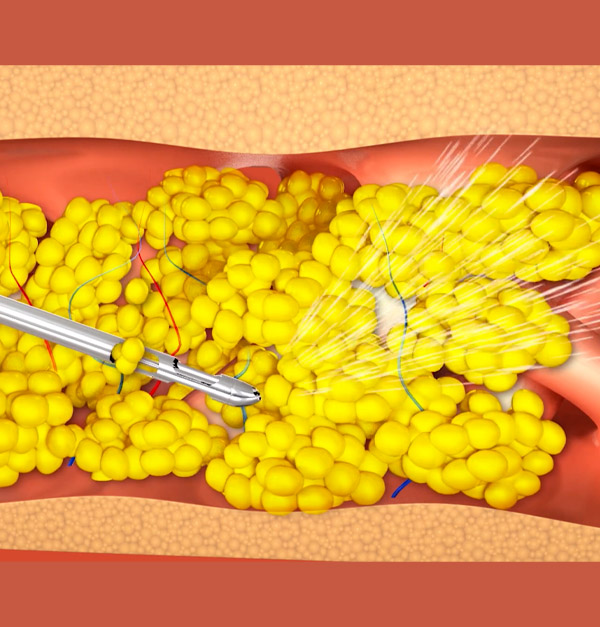

This video animation demonstrates how Water-jet assisted liposuction (WAL) works to break up unwanted fat for easy removal.
After lipedema fat is removed, you may experience loose or stretched skin, especially in areas where fat caused your skin to expand significantly. Dr. Coeugniet uses J-Plasma (Renuvion) immediately after lipedema liposuction to help tighten and retract the skin in the treatment areas.
J-Plasma (Renuvion) combines helium plasma and radiofrequency (RF) energy to not only induce collagen fibers under the skin’s surface to contract (tighten skin from inside, often providing up to 60% skin contraction) but also to stimulate collagen production. Quantum RF utilizes advanced fractionated radiofrequency to target deeper layers of the skin for sculpted results. It is minimally invasive and uses the same small, existing liposuction incisions.
J-Plasma enhances contour, improves skin tone, and gives you a smoother result.
Discover the life-changing relief you've been searching for —right in the heart of Montreal! At Lipœdème Montréal, you're guided by Dr. Edouard Coeugniet, MSc, Canada's exclusive lipedema specialist and a triple board-certified plastic surgeon with over 25 years of unmatched expertise in cosmetic and reconstructive surgery, specializing in advanced treatments for complex adipose disorders and maintaining a dedicated focus on lymph-sparing techniques for Lipedema.
He's transforming lives with lymphatic-sparing Water-Jet Assisted Liposuction (WAL), the undisputed gold standard that stops lipedema in its tracks, eases ongoing discomfort, and restores effortless mobility with remarkably short recovery times. Backed by elite collaborations with Europe's top pioneers like Prof. Dr. Tobias Hirsch and Dr. Danckwardt in Germany, and Dr. Stéphan Houyoux in Switzerland, Dr. Coeugniet crafts personalized treatment plans that deliver proven, lasting results — empowering you to embrace freedom and confidence like never before.
We provide seamless, multilingual care in English, French, German, and Romanian, ensuring clear communication for patients from Montreal, Laval, Westmount, Gatineau, Hull, Ottawa, Toronto, Vancouver, Calgary, Halifax, Vermont, New York, New England and far beyond. Prioritizing utmost safety and evidence-backed outcomes, we're committed to your success. Don't wait, seize the opportunity to reclaim your vitality today!
If you suspect you have Lipedema or are struggling with its symptoms, Lipœdème Montréal is here to help. Schedule a consultation with Dr. Coeugniet to discuss your symptoms, receive a thorough evaluation, and explore Lipedema treatment in Montreal. Early intervention can make a significant difference in managing this condition and reclaiming your quality of life. Contact us today to learn more about how we can support your journey to better health.
Contact us today.
Our clinic is open on Saturdays for consultations and surgery by appointment.
Book an Appointment with Dr. Coeugniet today!
Click here to schedule a consultation
State-of-the-art solutions designed to reduce tissue sensitivity and restore your mobility.
 info@lipoedememontreal.ca